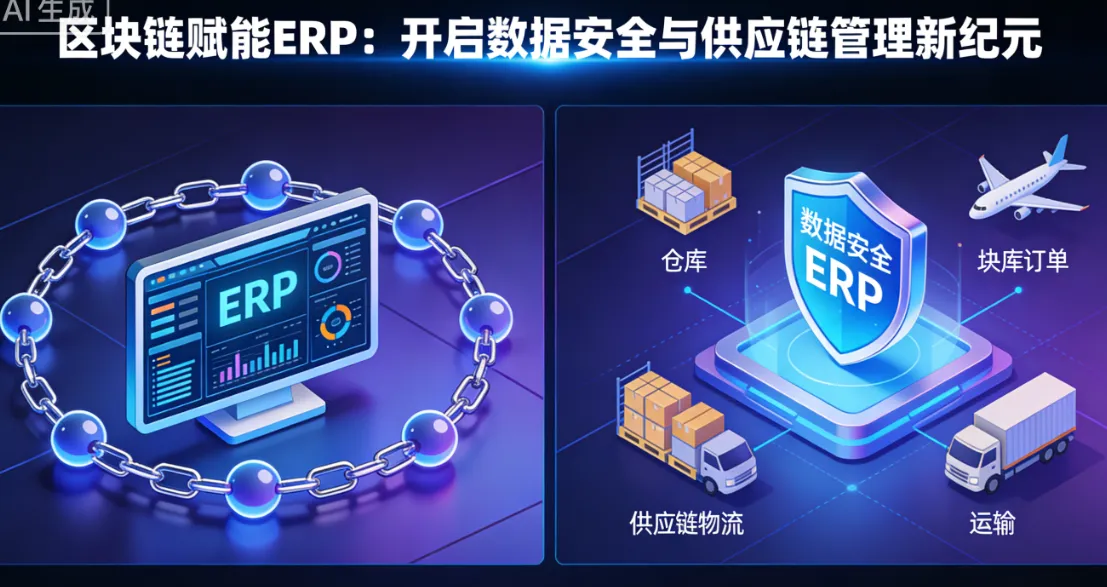
Accelerating the Replacement of Domestic ERP: Opportunities and Challenges under the Information and Innovation Policies of Central State owned Enterprises
Under the dual driving force of the current global technological competition pattern and the independent and controllable national core strategy, a wave of localization substitution with central state-owned enterprises as pioneers and information technology application innovation as the banner is sweeping through the Chinese enterprise software market. Among them, the ERP system, as the "digital heart" of enterprise management, naturally becomes a substitute for this battle because it carries the most core financial, supply chain, and operational data of the enterprisestrategic high groundThe promotion of innovation policies has not only opened an unprecedented historical window of opportunity for domestic ERP manufacturers represented by UFIDA, Kingdee, Inspur, etc., but also posed unprecedented profound challenges to the entire industry ecosystem, enterprises themselves, and the limits of domestic software capabilities. The essence of this substitution is no longer a simple software replacement, but a systematic migration involving technical routes, management philosophy, and industrial security.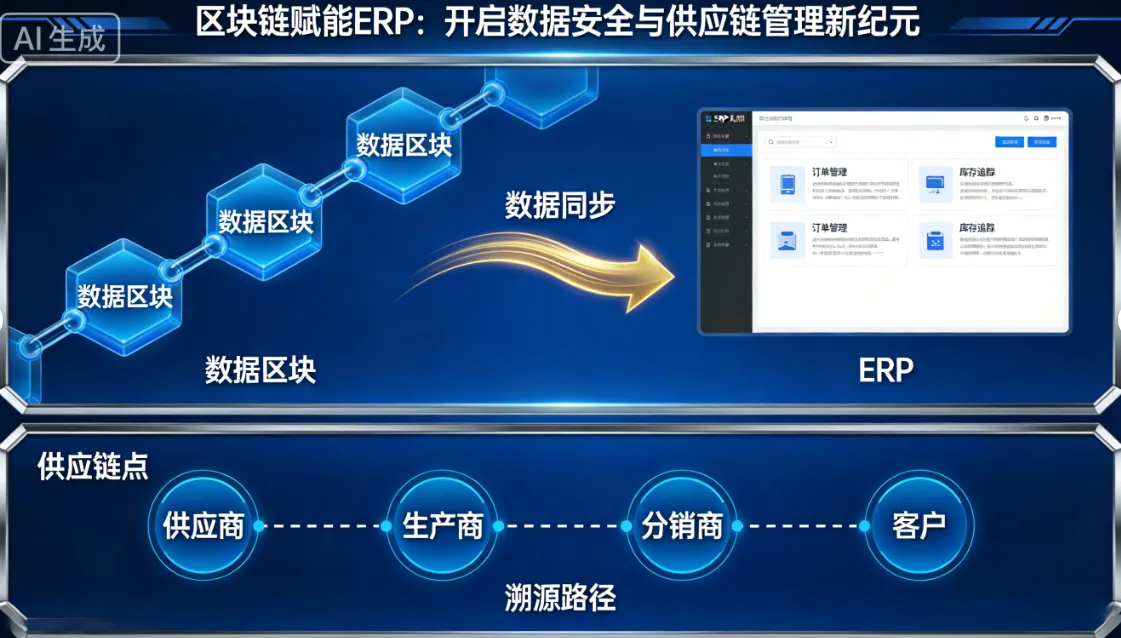
The historic opportunity brought by the innovation policy for domestic ERP is three-dimensional and enormous.Firstly, it creates a clear and high-valueMarket AccessIn the past, the high-end ERP market, especially the core management systems of central state-owned enterprises, was long dominated by international giants such as SAP and Oracle, and domestic software was difficult to reach. Nowadays, the Xinchuang policy has clarified the priority principle of "safety and controllability" from the top, providing the most solid policy endorsement and access channel for domestic ERP to break through market barriers and enter core business scenarios. This is not only a redistribution of market share, but also a valuable opportunity for domestic manufacturers to hone their products and accumulate best practices in a real and complex large-scale business environment. Secondly, it acceleratesThe positive cycle of demand and innovationState owned enterprises have complex business operations and extremely high compliance requirements, which forces domestic manufacturers to quickly improve their product capabilities in group control, refined accounting, supply chain collaboration, and high-performance and high availability. This urgent demand from top customers has become the strongest driving force for domestic ERP to conduct high-intensity research and development, overcome key technologies, and improve industry solutions, significantly accelerating the maturity cycle of the entire domestic software industry. Furthermore, it has propelledEcological reconstructionAround domestic ERP, a new information and innovation ecosystem covering underlying hardware, operating systems, databases, middleware, and even top-level consulting and implementation services is accelerating its formation, laying a solid foundation for establishing an independent digital technology system for Chinese enterprises.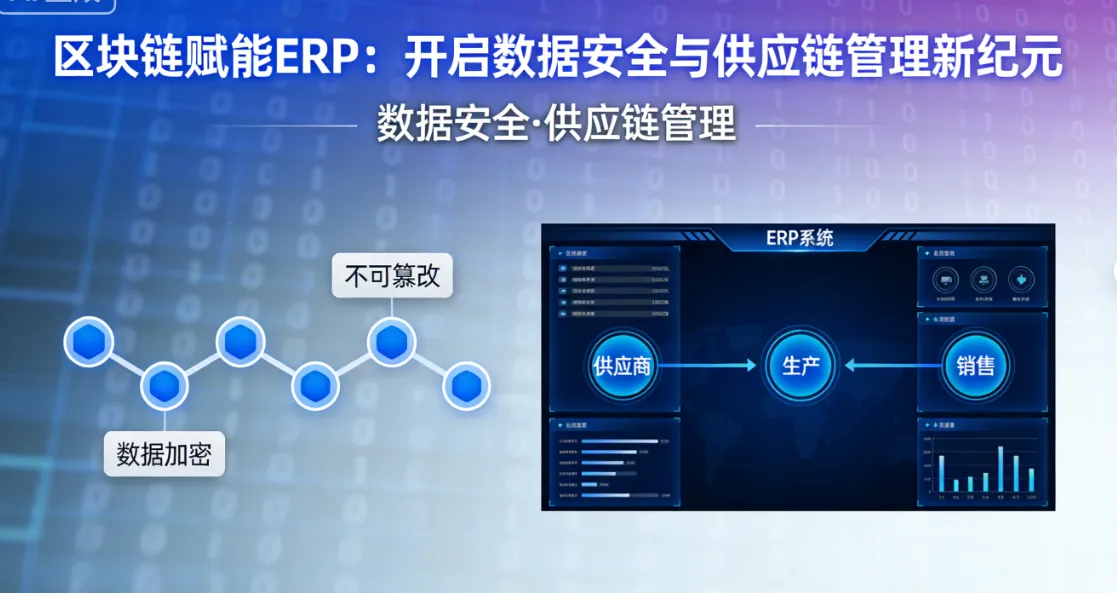
However, opportunities always coexist with challenges, and the alternative path to comprehensive success is still full of severe tests.The primary and core challenge lies inAbility and competence in complex scenariosState owned enterprises, especially large state-owned enterprise groups, have complex organizational structures, unique business processes, and deep levels of global operation, which can be called "extreme stress tests" for ERP systems. There is still a gap in experience and accumulation between domestic ERP and top international products in terms of product maturity, especially in handling cross-border multi accounting standard consolidated financial statements, ultra complex manufacturing scheduling, global supply chain collaboration and other "deep water" scenarios. The ultimate test of the comprehensive ability of domestic manufacturers is whether they can achieve not only "functional replacement" but also "management improvement" in the process of substitution. Secondly, the substitution process is accompanied by extremely highMigration risks and costsFor enterprises that have been deeply using foreign systems for many years, the cleaning and migration of historical data, the reshaping and adaptation of business processes, the reconstruction of personnel skills, and the guarantee of business continuity during system switching are arduous projects. Any mistake can lead to operational chaos, data loss, and even significant economic losses, putting enormous pressure on decision-makers. This requires domestic manufacturers to have the ability to provide "turnkey" level services that go beyond the software itself, covering thorough evaluation, smooth migration, and long-term operation and maintenance. Finally, it isEcological maturity and talent shortageLong term challenges. Mature ERP applications rely on a powerful ecosystem of consulting implementation, development customization, and operation and maintenance services. Currently, compound talents who are proficient in domestic ERP products and have a deep understanding of the complex management needs of central state-owned enterprises are extremely scarce. The capacity building of ecological partners requires time, which may become a bottleneck restricting the success and large-scale promotion of projects.
Looking ahead to the future, the replacement process of domestic ERP will be a protracted battle rather than a decisive one.Its success depends not only on the rapid catch-up of product technology, but also on whether it can build a set ofValue substitutionA complete methodology at the core. This means that domestic substitution cannot only be satisfied with policy compliance and "usability", it must prove to enterprises that it can bring better benefitsTotal cost of ownership, business adaptability that is more in line with local management practices, more agile response services, and potential for future technological expansionThe ideal path may not be a complete "one size fits all" replacement, but rather a gradual migration in stages and modules under strategic planning, or a pilot program in newly established business segments and subsidiaries, accumulating experience before comprehensive promotion.
In summary, the replacement of domestic ERP under the innovation policy of central state-owned enterprises is a magnificent intersection of national strategy and enterprise digitalization practice. It is not only an excellent opportunity for China's software industry to climb the peak, but also a comprehensive test of the wisdom, courage, and patience of enterprises and manufacturers. Successfully overcoming challenges will not only reshape the market landscape of high-end enterprise management software in China, but also inject powerful independent and controllable momentum into the foundation of the country's digital economy. Its significance goes far beyond commercial competition itself. This alternative path is destined to be the tempering of domestic ERP from being "usable" to being "easy to use" and ultimately achieving "irreplaceability".